
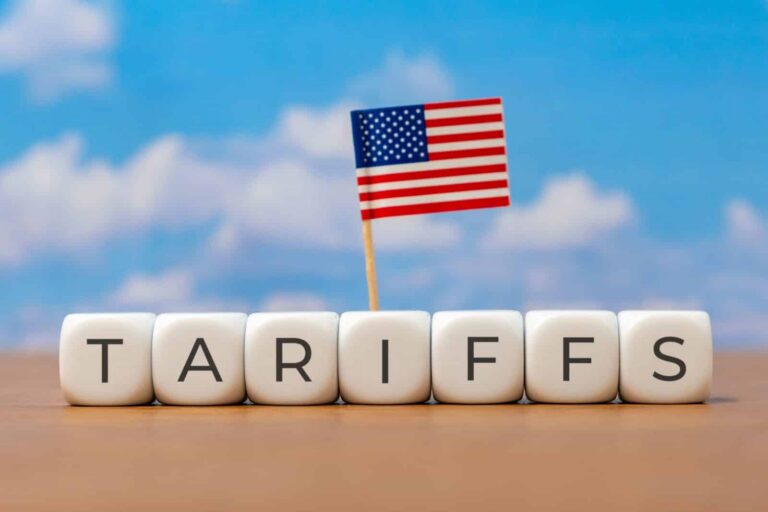
On March 23, 2022, the USTR (United States Trade Representative) Office announced the reinstatement of Section 301 exclusions for certain categories of products previously subject to the punitive tariffs for goods originating in China.
The reinstated Section 301 exclusions cover certain types of machinery, motors, electrical equipment, chemicals, plastics, textiles, bicycles, motorcycles, and automotive parts, among other items. The exclusions will apply retroactively from October 12, 2021 and will extend through December 31, 2022.
Many companies make use of a variety of tariff mitigation strategies to lessen the financial impact of the China tariffs; including participating in duty drawback recovery programs. The drawback provisions of the Tariff Act of 1930 allow for the refund of import duties, taxes, and fees on imported merchandise that is exported directly, or matched with similar qualifying exported product of the same HTS.
How USTR Section 301 exclusions affect your duty drawback program.
Drawback claimants that seek to take advantage of exclusions should implement measures to avoid requesting an exclusion while also filing drawback against the same import HTS line; thus precipitating the need to adjust drawback claim previously paid by Customs.
Alliance Drawback Services recommends the following to avoid overclaiming against the same import line.
Imports in the exclusions period have NOT yet been claimed via drawback.
Request a refund of the duties via the exclusion route through post entry adjustments and protests. Provide your Alliance Drawback Analyst with a list of entry numbers, HTS line, and material codes to be refunded. Alliance will remove these lines from your import database to prevent inclusion in future drawback claims.
Exclusion-period import drawback needs further HTS review.
Provide your Alliance Drawback Analyst with a list of material codes that qualify for exclusion so your Analyst can identify potential conflicts with drawback claims of the same item. Since some “substitution” drawback programs file at the HTS level only and not the material code level, identifying and adjusting the applicable imports/material codes could present challenges. Depending on numerous variables, the Customs broker requesting the exclusion may need to breakout the material code on a different HTS line, and Alliance would need to amend the drawback claim accordingly. Consider the recovery level, administrative costs, and compliance exposure before making a final decision to seek and exclusion over filing drawback.
Exclusion-period imports claimed under Direct ID drawback
Direct Identification drawback requires material code level filing which can make the adjustments less daunting. Provide your Drawback Analyst with a list of material codes that qualify for exclusion. Alliance will return a list of entry details for those imports designated in past drawback claims. Remove these entry lines from the exclusion request. For import transactions with available balances (only partially claimed via drawback), a decision whether to seek an exclusion on the balance or leave the remainder in the import pool for possible future claiming is driven by several variables, and as such should be determined by an analytical process that maximizes the cost savings to the client.
The bottom line of of Section 301 exclusions and drawback claims.
Both drawback and exclusions can coexist, but closely coordinate with your drawback specialist and make data driven decisions to maximize the benefit while always considering regulatory compliance exposure.
Questions about duty drawback?
Talk with a licensed drawback specialist about your imports, exports, and refund potential.
More from the news
New Section 301 “Forced Labor” Tariffs Are Drawback-Eligible: What Importers Should Know
The new Section 301 forced-labor tariffs (10–12.5% on 60 economies, effective July 24, 2026) are recoverable through duty drawback. Here's what that means for your refunds.

Section 232: Drawback Relief for Pharma Tariffs
When the President’s April 2, 2026 proclamation under Section 232 of the Trade Expansion Act of 1962 (19 U.S.C. § 1862) imposed a default 100% ad valorem duty on imports of patented pharmaceuticals and

SCOTUS Overrules IEEPA Tariffs: What Importers Should Know
Reciprocal tariffs from the Trump administration are now confirmed duty drawback eligible, creating a major opportunity to recover tariffs on imports tied to exports.