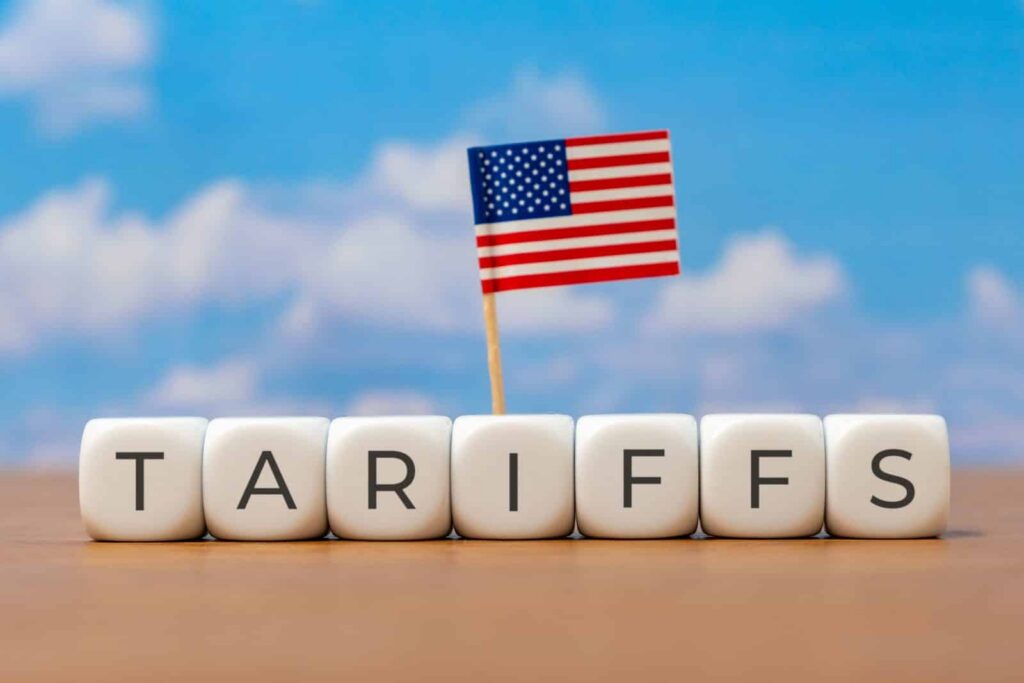
On July 24, 2026, a new Section 301 action took effect, adding duties of 10% to 12.5% on imports from 60 economies, 59 countries and the European Union, that the U.S. Trade Representative found were not prohibiting or effectively enforcing bans on goods made with forced labor. CBP issued filing instructions in CSMS #69326983, with the applicable Chapter 99 headings (9903.05.20 through 9903.06.21) and the trade-remedy reporting sequence.
For companies watching their duty spend, the headline is simple: because this is a Section 301 measure, the additional duties are eligible for duty drawback, the same treatment as the existing Section 301 China tariffs, and unlike the Section 232 steel, aluminum, copper, and auto tariffs, which are recoverable only through manufacturing drawback, if at all. If you export, destroy, or return qualifying merchandise, that new 10–12.5% can come back to you at up to 99%.
A few things worth knowing before you assume a refund:
- Not every entry carries the duty. Goods that qualify under USMCA, CAFTA-DR textiles and apparel, articles already subject to Section 232, civil aircraft, and certain foodstuffs, fuels, minerals, and informational materials are exempt, so there is nothing to recover on those lines.
- It stacks. On a dutiable line, this Section 301 duty sits on top of the ordinary Column 1 rate and other trade remedies, which increases the amount potentially recoverable through drawback.
- Eligibility is case by case. Substitution and direct-identification rules still apply: 8-digit HTS matching, the 5-year window, and proof of export or destruction.
The practical takeaway: a large share of importers who had little recoverable trade-remedy duty a month ago suddenly do. If your products are sourced from any of the covered economies and you have qualifying exports, it is worth reassessing your drawback opportunity now.
To see what the action means for your own product lines, check any HTS code and country of origin in our free forced labor tariff lookup, or run your ACE entry summary report through the forced labor tariff calculator. Both run in your browser and your file never leaves it.
Alliance Drawback Services is a licensed U.S. Customs broker with decades of drawback experience. We will size the opportunity, identify the optimal compliant pairings, file with CBP, and defend the claim end to end.
This post is for general information and is not legal advice. Tariff programs are changing quickly in 2026; confirm current requirements with a licensed customs broker before acting.
Questions about duty drawback?
Talk with a licensed drawback specialist about your imports, exports, and refund potential.
More from the news

Section 232: Drawback Relief for Pharma Tariffs
When the President’s April 2, 2026 proclamation under Section 232 of the Trade Expansion Act of 1962 (19 U.S.C. § 1862) imposed a default 100% ad valorem duty on imports of patented pharmaceuticals and

SCOTUS Overrules IEEPA Tariffs: What Importers Should Know
Reciprocal tariffs from the Trump administration are now confirmed duty drawback eligible, creating a major opportunity to recover tariffs on imports tied to exports.

Reciprocal Tariffs are Drawback Eligible
Reciprocal tariffs from the Trump administration are now confirmed duty drawback eligible, creating a major opportunity to recover tariffs on imports tied to exports.