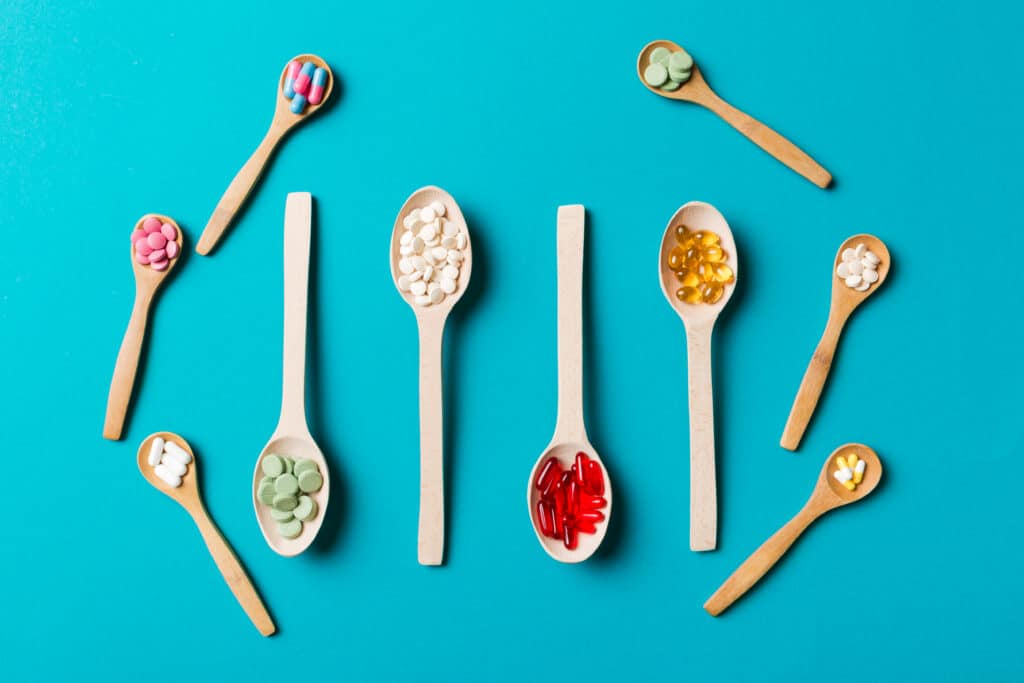
A spoonful of duty drawback makes the pharmaceutical tariffs go down.
When the President’s April 2, 2026 proclamation under Section 232 of the Trade Expansion Act of 1962 (19 U.S.C. § 1862) imposed a default 100% ad valorem duty on imports of patented pharmaceuticals and active pharmaceutical ingredients (APIs) listed in Annex I (see our cheat sheet) the industry response was predictable: spreadsheets, scenario models, and a lot of anxious calls to trade counsel. But buried in clause (10) of the proclamation is a single sentence that should be on every drug importer’s whiteboard:
“Drawback shall be available with respect to the duties imposed pursuant to this proclamation.”
For customs and trade compliance professionals, that one sentence is a sea change. It means the full recovery toolkit codified in 19 U.S.C. § 1313 is on the table for the new pharma duties, and given a ceiling rate of 100%, the recoverable amounts are nontrivial.
A Departure From Section 232 Precedent
Historically, duties imposed under Section 232 have not been drawback eligible. Prior Section 232 actions foreclosed drawback as a matter of policy, and CBP administered them accordingly, to the point that practitioners came to treat “Section 232” and “no drawback” as effectively synonymous.
But there is no statutory bar to drawback on Section 232 duties. The exclusion was always a policy choice written into the proclamation, not a command of the Tariff Act, and the April 2, 2026 pharmaceutical proclamation made the opposite choice, in plain text.
What “Drawback Is Available” Actually Means
Clause (10) opens the door to the full menu under 19 U.S.C. § 1313:
- Unused merchandise drawback (§ 1313(j)). 99% of the Section 232 duty refunded when imported pharmaceuticals or APIs are exported, or destroyed, in the same condition within five years of importation. Unused merchandise substitution drawback under § 1313(j)(2) is available where qualifying merchandise (same 8 or 10-digit HTS) is exported (everywhere, but CA, MX or CL).
- Manufacturing drawback (§ 1313(a) and (b)). Critical for API importers whose ingredients are compounded or formulated into finished dosage forms in the U.S. and then exported. Substitution manufacturing drawback under § 1313(b) is particularly useful given the fungibility of many APIs at the 8-digit HTSUS level. Dual sourcing merchandise domestically? That counts too!
- Rejected merchandise drawback (§ 1313(c)). Relevant for product that fails QC, does not conform to specification, or is shipped without consent. Returns from foreign affiliates after recall or stability failure can qualify.
At a 100% duty rate, every export-bound molecule is a 99% refund candidate.
Next Steps: From Eligibility to Refund
Eligibility is the starting line, not the finish. Standing up a compliant drawback program runs in months, not weeks, which is exactly why the work should begin before the first 100% entry clears. Alliance Drawback runs the process end to end:
- Quantify the opportunity. Start with a drawback assessment and tariff-impact forecast. Alliance models your import and export flows against the new Section 232 rates to size the recoverable duty, so you see the dollars at stake before committing resources. This step is free and there is zero obligation.
- Implement the program. New drawback programs take roughly four to six months to clear CBP application approval. Alliance uses that window to test record retention, validate your data, and build best practices and SOPs tailored to your business. Where manufacturing drawback applies, and for chemicals and APIs a specific manufacturing ruling is often required, expect up to a year to obtain that ruling from CBP Headquarters in Washington (fingers crossed). Starting early lets these tracks run in parallel rather than in sequence.
- Start filing. Once the program is live, claims go in and refunds follow, paid by ACH roughly 30 days from the claim date. Paired with accelerated payment, that working-capital benefit compounds with every filing.
As an end-to-end drawback provider, Alliance carries each of these stages, from the first forecast through recurring refunds, so your team can stay focused on the business while the duty comes back.
Bottom Line
A 100% tariff is a sticker-shock number, but the proclamation deliberately preserved the industry’s principal relief valve. For any importer with an export footprint, branded molecules shipped to affiliates abroad, contract-manufactured doses sent to foreign markets, U.S.-formulated drugs distributed globally, drawback is the medicine that makes the 232 tariffs go down.
It all starts with a free assessment. Let Alliance quantify your Section 232 drawback opportunity now, well ahead of the July 31 and September 29, 2026 effective dates, so the refunds are flowing the moment you are eligible to claim them.
Questions about duty drawback?
Talk with a licensed drawback specialist about your imports, exports, and refund potential.
More from the news
New Section 301 “Forced Labor” Tariffs Are Drawback-Eligible: What Importers Should Know
The new Section 301 forced-labor tariffs (10–12.5% on 60 economies, effective July 24, 2026) are recoverable through duty drawback. Here's what that means for your refunds.
SCOTUS Overrules IEEPA Tariffs: What Importers Should Know
Reciprocal tariffs from the Trump administration are now confirmed duty drawback eligible, creating a major opportunity to recover tariffs on imports tied to exports.

Reciprocal Tariffs are Drawback Eligible
Reciprocal tariffs from the Trump administration are now confirmed duty drawback eligible, creating a major opportunity to recover tariffs on imports tied to exports.